Smart Shield Systems
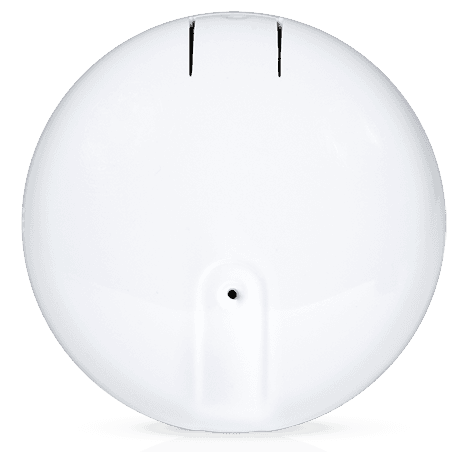
Firefighter Sensor 2GIG FF1e-345
The 2GIG FF1e-345 Firefighter Sensor is an innovative life safety device that bridges the gap between your existing smoke alarms and your security system. Rather than replacing your current smoke detectors, this intelligent sensor listens for the distinctive temporal pattern (three beeps, pause, three beeps) that standard smoke alarms produce when detecting smoke or fire. When it hears this specific alarm pattern, the FF1e-345 immediately transmits a fire emergency signal to your security panel, ensuring your monitoring center is notified even if you're not home. This wireless sensor is particularly valuable for homeowners and business owners who want comprehensive fire protection without the expense of replacing perfectly functional smoke detectors. The FF1e-345 uses advanced audio recognition technology to distinguish between the temporal fire alarm pattern and other household sounds, virtually eliminating false alarms while ensuring reliable fire detection. Its wireless design means it can be strategically placed to monitor multiple smoke alarms throughout your property. Smart Shield Systems recommends the 2GIG FF1e-345 for properties where existing smoke alarms meet local fire codes but aren't connected to a monitored security system. Professional installation by our certified technicians ensures optimal placement and proper integration with your security panel, giving you the peace of mind that comes with 24/7 fire monitoring. Whether you're protecting your family at home or your business assets, this firefighter sensor provides an affordable way to upgrade your fire safety without major renovations. With professional monitoring through Smart Shield Systems, the FF1e-345 ensures that fire emergencies are immediately reported to local fire departments, even when your property is unoccupied. This rapid response capability can mean the difference between minor fire damage and total loss, making it an essential component of any comprehensive security system.
Why Choose This with Smart Shield Systems
- Cost-effective alternative to replacing existing smoke detectors with monitored versions
- Professional installation ensures optimal placement and system integration
- Proven audio recognition technology with extremely low false alarm rate
- Provides 24/7 monitored fire protection for enhanced property safety
Key Features
- Audio pattern recognition technology listens for temporal fire alarm signals
- Wireless 345 MHz communication with security panel
- Works with existing smoke detectors - no replacement needed
- Advanced filtering eliminates false alarms from household sounds
- Long-lasting lithium battery with low battery alerts
- Compact, discreet design mounts easily on wall or ceiling
- Instant emergency notification to monitoring center
- Compatible with most 2GIG security systems
Product Specifications (At-a-Glance)
- Frequency: 345 MHz wireless transmission
- Detection Range: Up to 15 feet from smoke alarm
- Battery Life: Up to 5 years with included lithium battery
- Operating Temperature: 32°F to 120°F (-0°C to 49°C)
- Dimensions: 3.5" x 2.5" x 1.25"
- FCC ID: DMJFF1E-345
Compatibility Notes
- Compatible with 2GIG GC2, GC3, and Edge security panels
- Works with most standard residential and commercial smoke alarms that use temporal alarm pattern
- Requires professional programming and enrollment into security system
Popular Use Cases
- Residential homes with existing hardwired or battery smoke detectors
- Small businesses wanting to add monitored fire detection to current smoke alarm systems
- Rental properties where landlords need monitored fire protection without detector replacement
Frequently Asked Questions
Yes, the FF1e-345 works with virtually all standard smoke detectors that emit the temporal pattern (three beeps, pause, three beeps) when activated. This includes most residential and commercial smoke alarms manufactured in recent decades.
The FF1e-345 can reliably detect smoke alarm signals from up to 15 feet away. Our Smart Shield technicians will test placement during installation to ensure optimal coverage of your smoke detectors while maintaining reliable communication with your security panel.
The FF1e-345 is designed to detect the temporal fire alarm pattern, not the intermittent chirping of a low battery warning. However, you'll still need to maintain your existing smoke detectors according to manufacturer recommendations, as the FF1e-345 relies on them to detect smoke and fire.
Ready to Install the 2GIG FF1e-345 Firefighter Sensor?
Contact Smart Shield Systems for professional installation and monitoring setup. Free consultation and estimate.